Why I Still Go Looking for Rooms Where I Know No One
“I have no special talent. I am only passionately curious.” — Albert Einstein
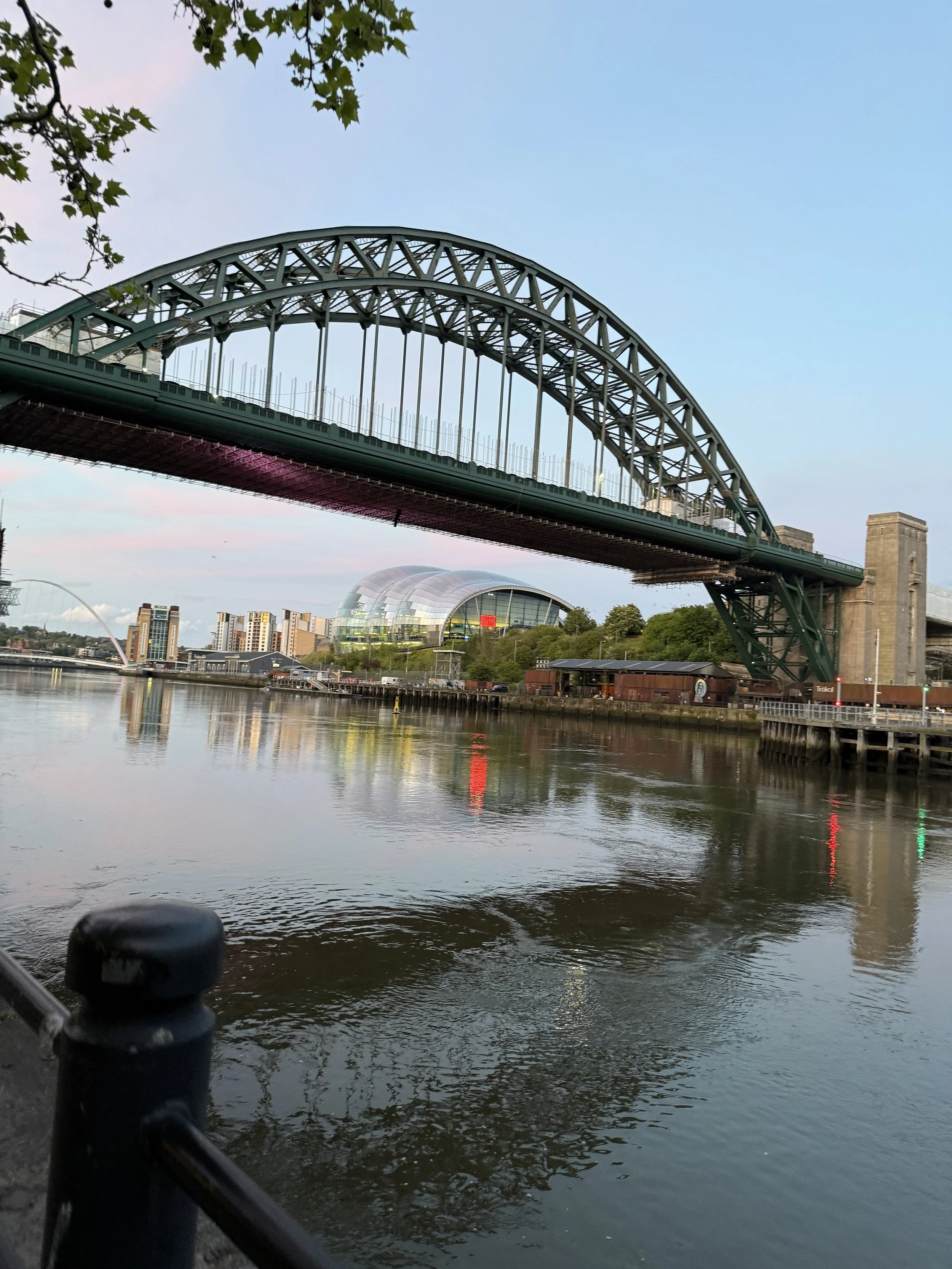
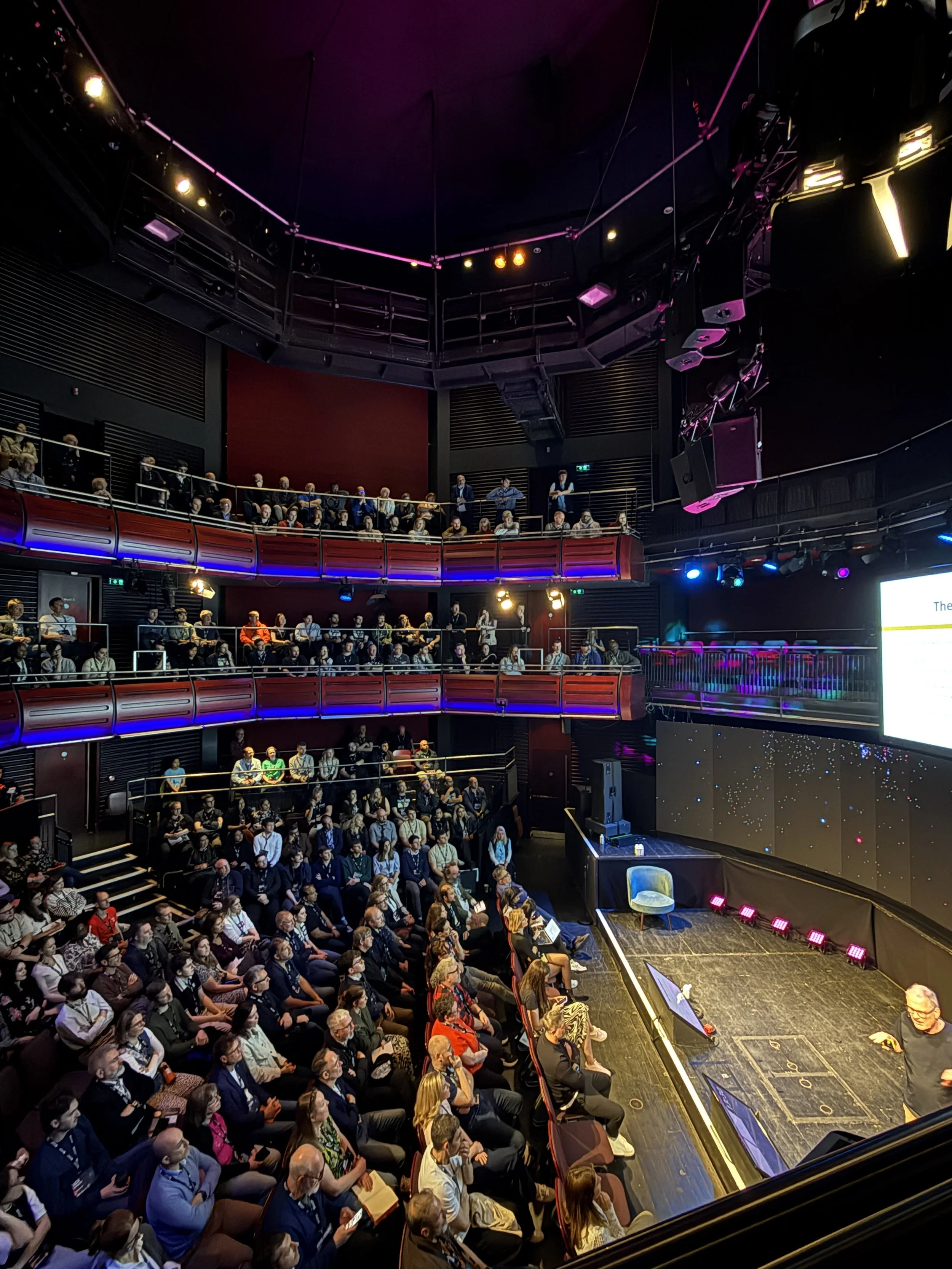
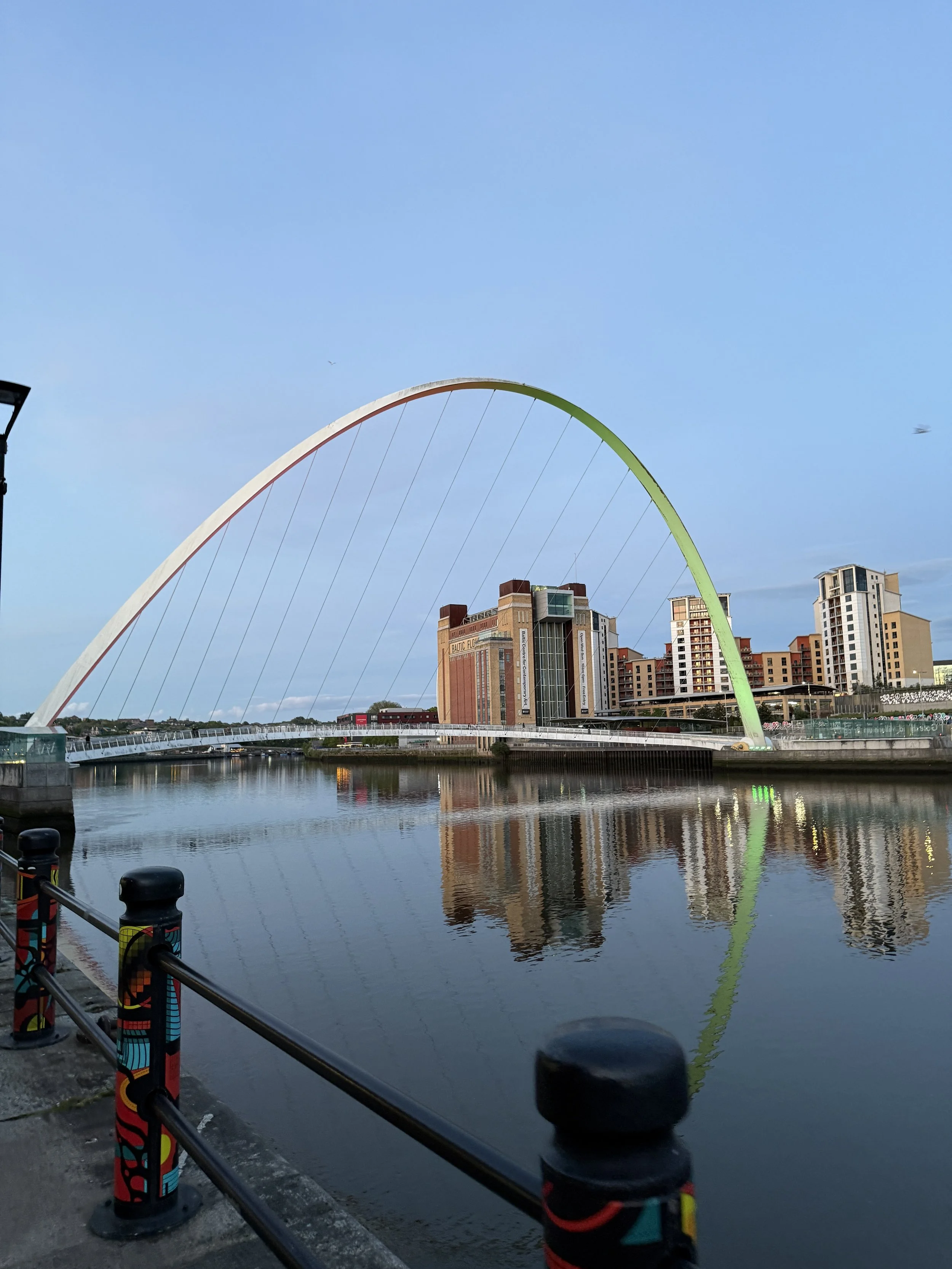
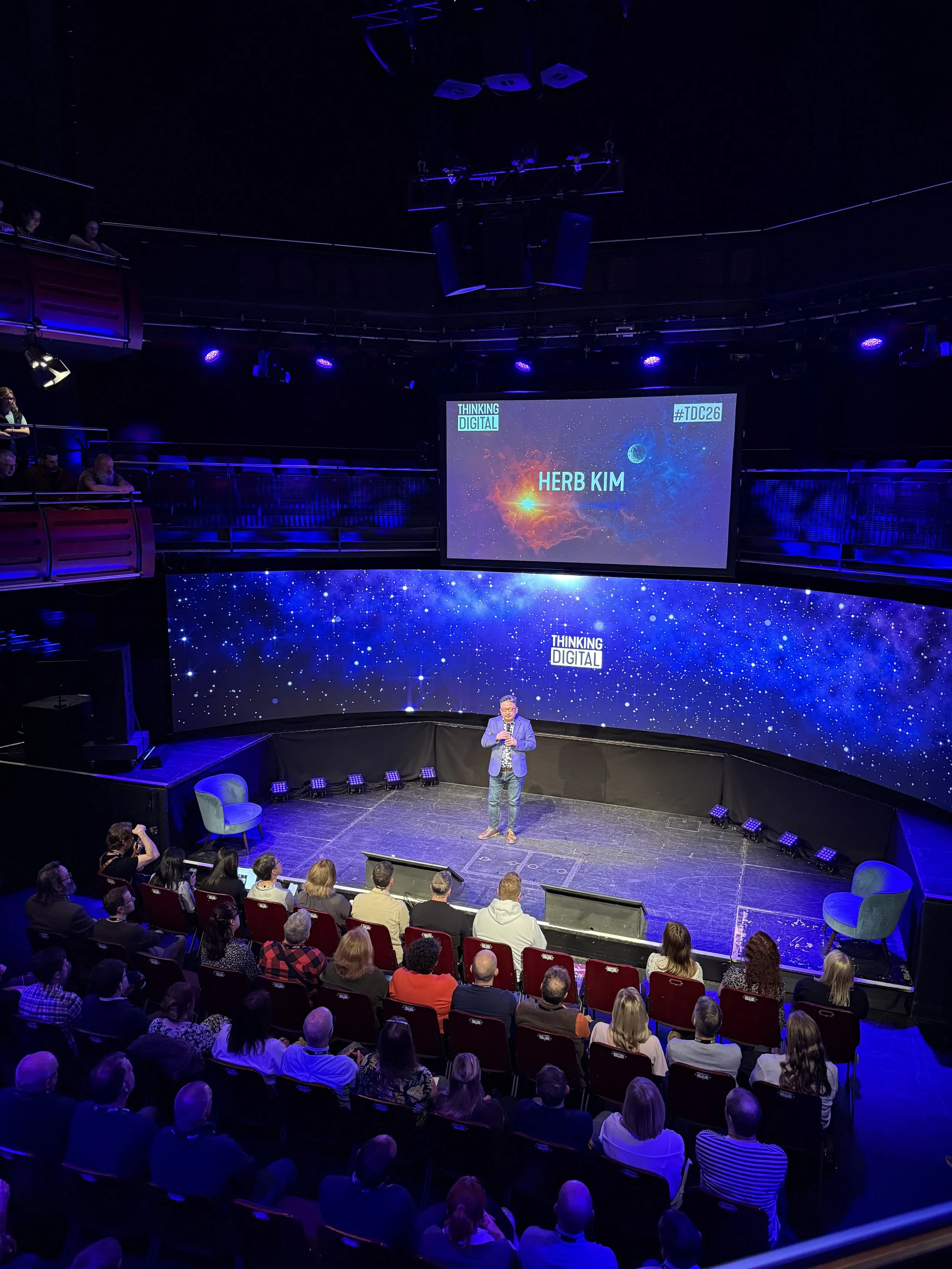
I’ve just come back from Thinking Digital in Newcastle. Once again, it reminded me why I keep deliberately putting myself into rooms where I don’t know everyone, where I’m not the expert, and where I have absolutely no idea what conversation might change the way I think next.
That matters more than ever now.
Part of what we do through The NY Collective is help companies stay connected to what’s emerging, not just in technology, but in people, ideas, behaviours, creativity, culture, and possibility. Most businesses are busy keeping the lights on, growing teams, managing uncertainty, and making decisions at speed. They don’t always have the time or headspace to search for new signals or unexpected inspiration constantly.
So part of our role is to do some of that searching for them.
To stay curious on their behalf. One of our clients calls it ‘feeding them mentally and metaphorically.’
To find interesting thinkers, unusual stories, creative outsiders, scientists, technologists, artists, founders, academics, futurists,musicians, magicians, comedians and connectors. To spot patterns before they become widespread. To notice where different and fresh worlds collide. To keep asking: what else is happening out there that we should be paying attention to?
And honestly, the only way I know how to do that properly is by continually getting myself out of my comfort zone.
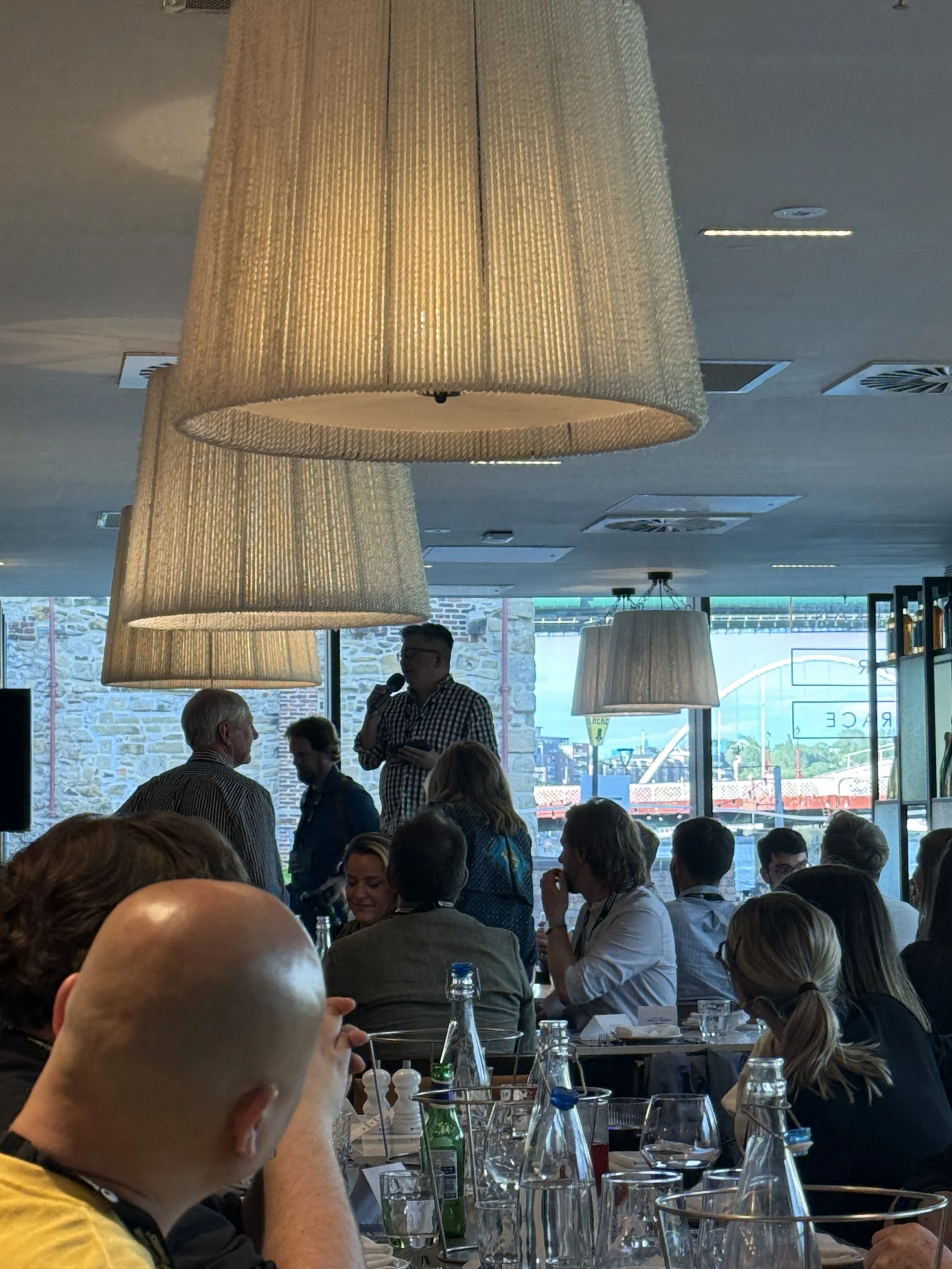
That’s one of the reasons I’ve always loved Thinking Digital. It never feels overly polished or performative. It feels human. Open. Curious. Non-hierarchical. The conversations happen everywhere, over coffee, dinner, in corridors, between talks. No exhausting VIP culture. No invisible barriers between ‘important’ people and everyone else. We are all just people!
Just people exchanging ideas.
I first spoke there around fifteen years ago, at one of the earlier Thinking Digital events, back when conversations around innovation, technology, creativity, and the future felt very different to how they do now. So arriving this year and hearing Herb Kim give me a special shout-out at the beginning genuinely meant a lot.

Image of me Speaking there in 2009
It felt less like arriving at a conference and more like arriving home to old friends.
That sense of community is rare. Especially now.
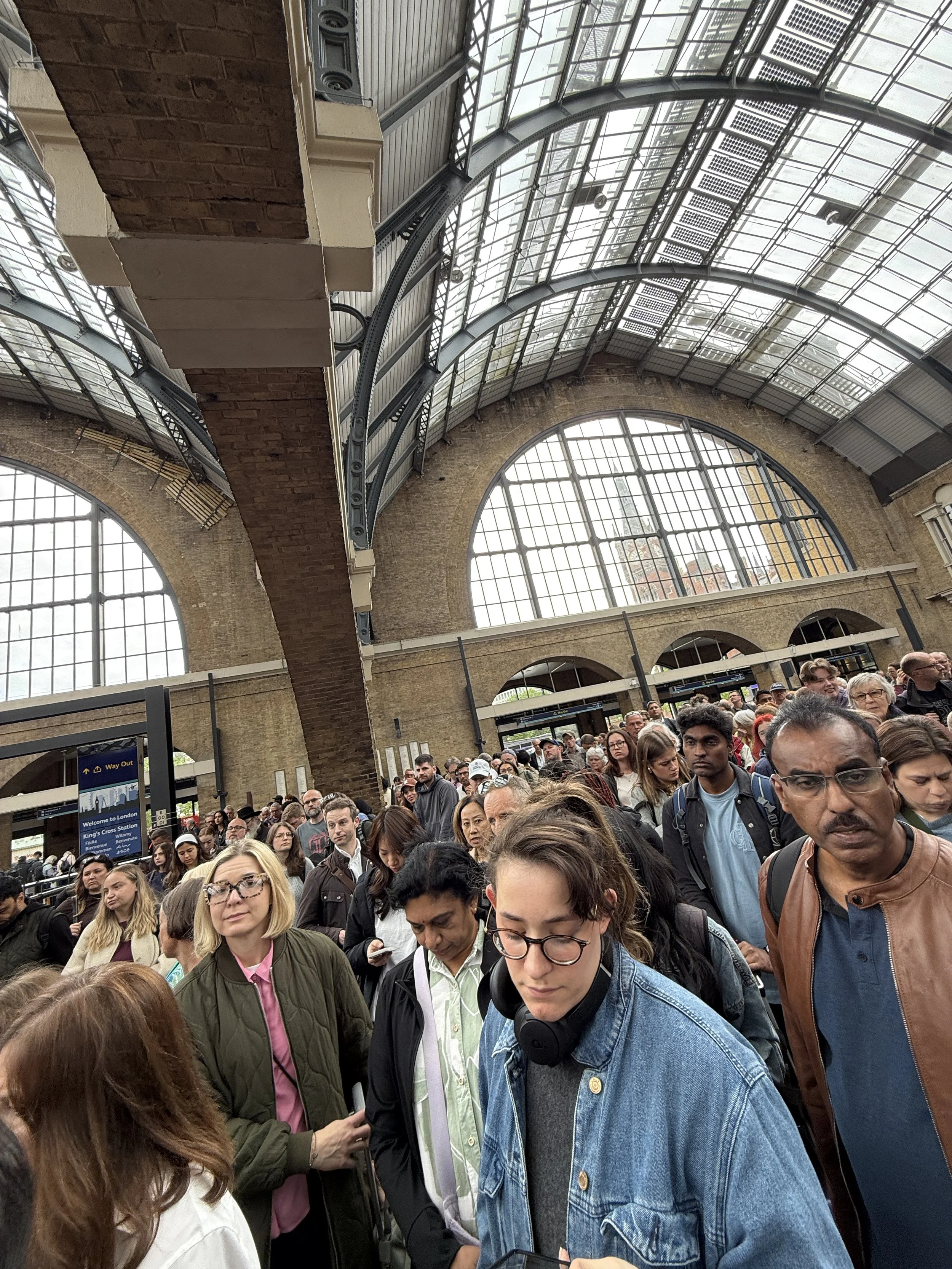
Before I even got there, the universe seemed determined to test whether I was actually going. Train cancellations. Chaos. The kind of travel day that makes you question every life choice while sprinting through a station carrying too many bags and not enough patience.
I literally ran to catch a train that would get me there on time. And then, somewhere along the journey, everything stopped.
A fatality on the tracks caused hours of delays.
Three hours sitting still gives you time to think.
Suddenly, all the rushing, the urgency, the stress about schedules, timings and logistics faded into perspective. Life can change in a second. Someone somewhere didn’t make it home that day. And there we all were, strangers together, suspended between places, quietly reminded how fragile everything really is.
It made me think about why we do any of this.
Why do we travel?
Why do we keep learning?
Why do we seek out new ideas?
Why do we bother meeting new people?
Why curiosity matters.
And I think the answer is because life is ultimately made up of moments, conversations, memories, and connections.
That’s what we actually keep.
Not inboxes.
Not meetings.
Not algorithms.
Not productivity metrics.
We remember how people made us feel.
We remember the ideas that shifted something inside us.
We remember the random conversation over dinner that changed our thinking.
We remember laughing with strangers who no longer feel like strangers by the end of the evening.
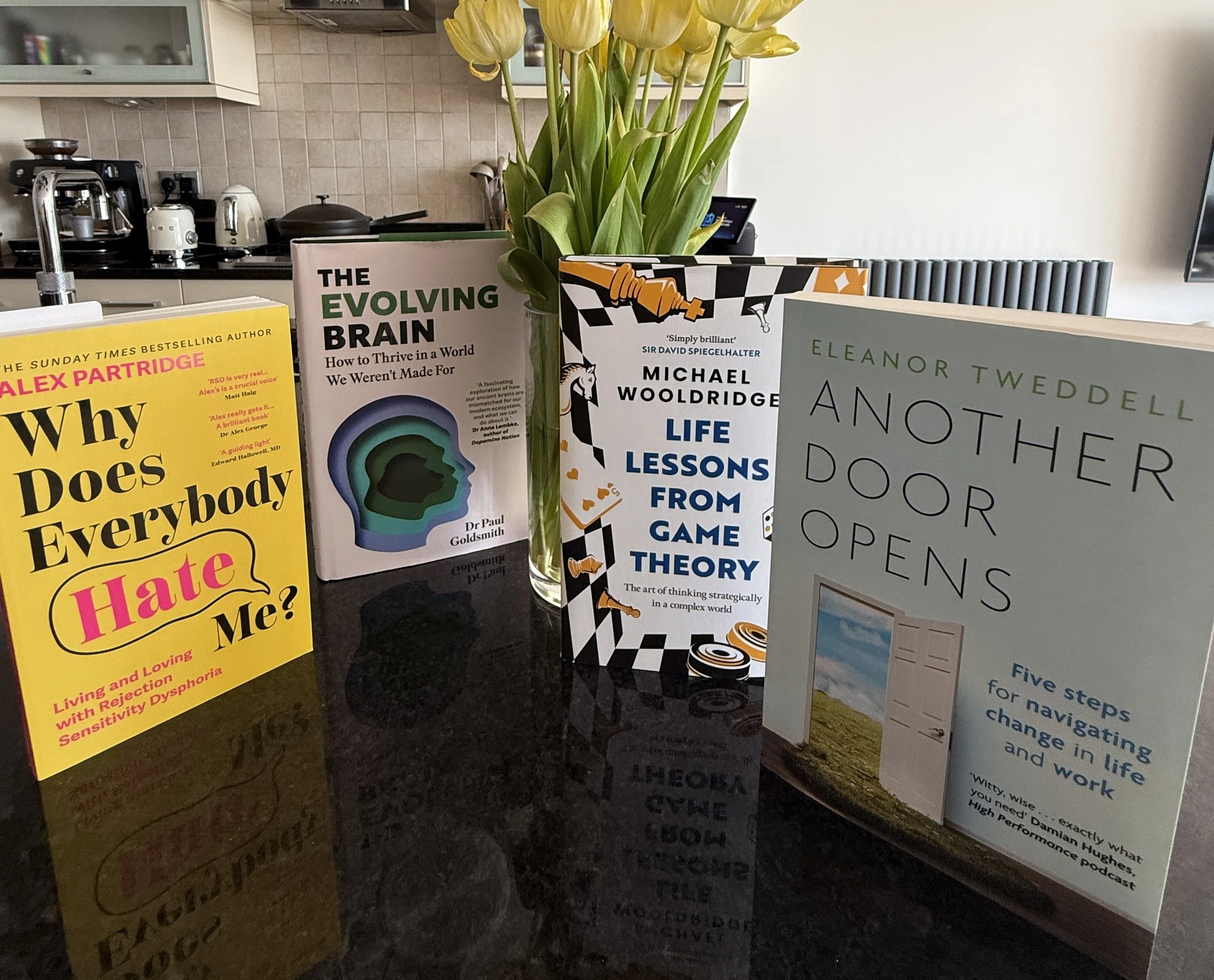
I came home with a bag full of books and a head full of thoughts, and many wonderful connections on LinkedIn, that I am sure will end up with coffees in London.
Books about game theory, the brain, reinvention, identity, mental health, and human behaviour. Conversations about AI, creativity, neuroscience, storytelling, resilience, ethics, technology, and what it means to stay human in increasingly complicated times.
But more importantly, I came home reminded that staying current isn’t really about trying to chase every trend.
It’s about staying awake.
Paying attention.
Remaining curious.
Listening properly.
Connecting dots others might miss.
Allowing yourself to be surprised.
Being willing to change your mind.
Putting yourself in rooms where you are not the centre of the conversation.
Because innovation rarely happens inside comfortable bubbles.
It usually happens at the edges, where different disciplines, experiences, generations, and perspectives collide.
And sometimes, all it takes is getting on the train. Even the delayed one.
(written with a bit of ai help, prompts and experiences all by me!)