Starting in the Right Place
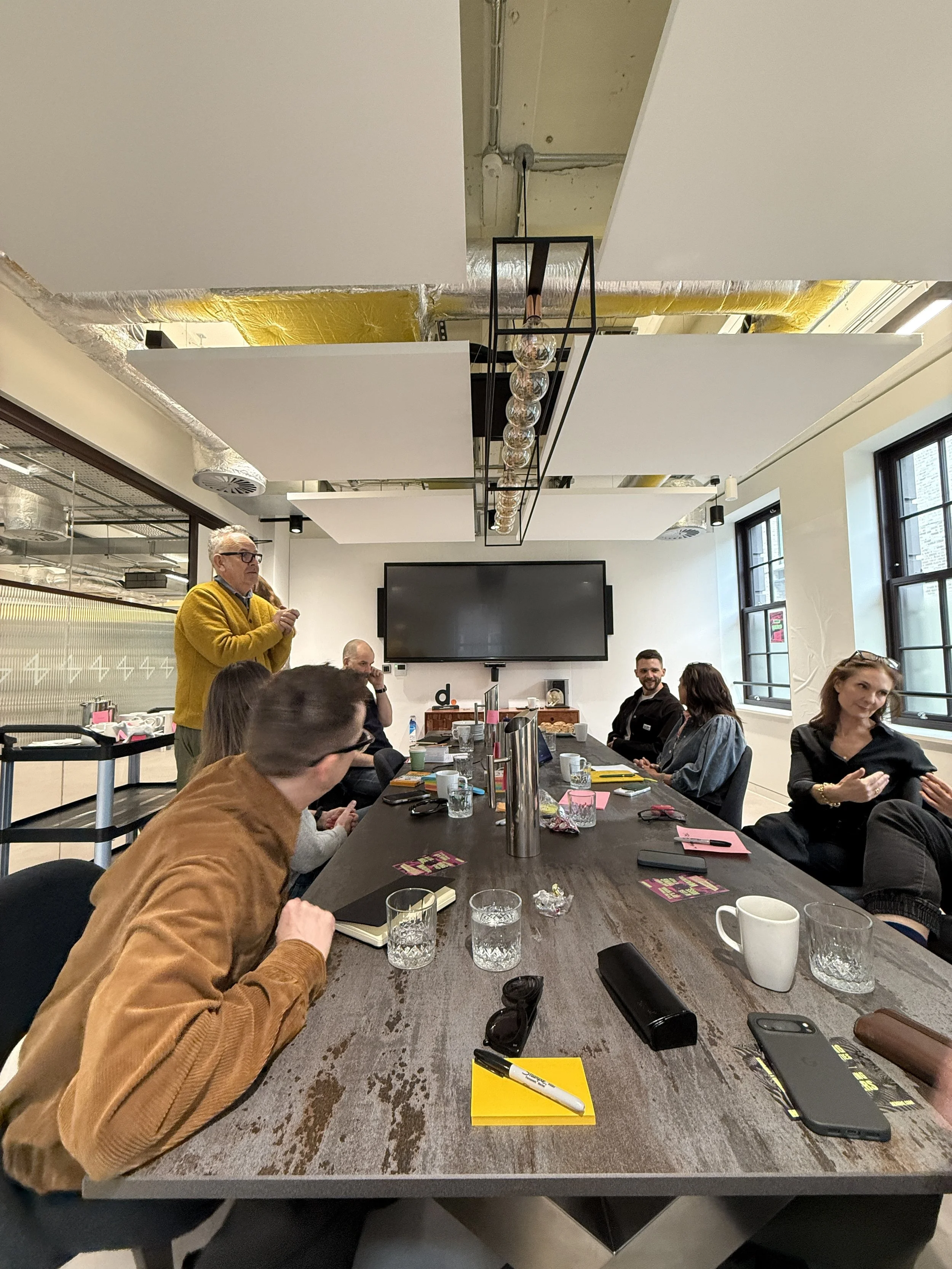
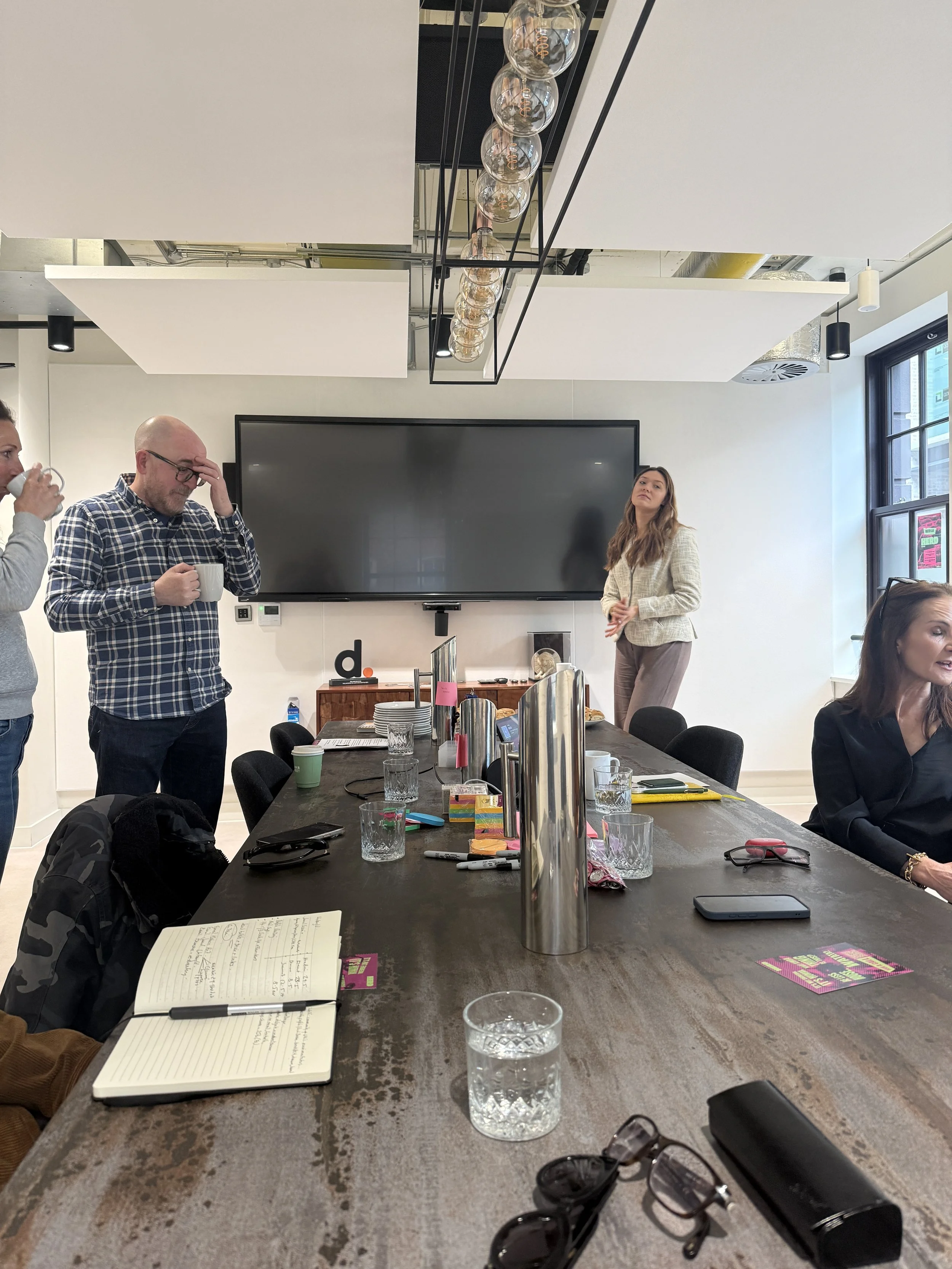
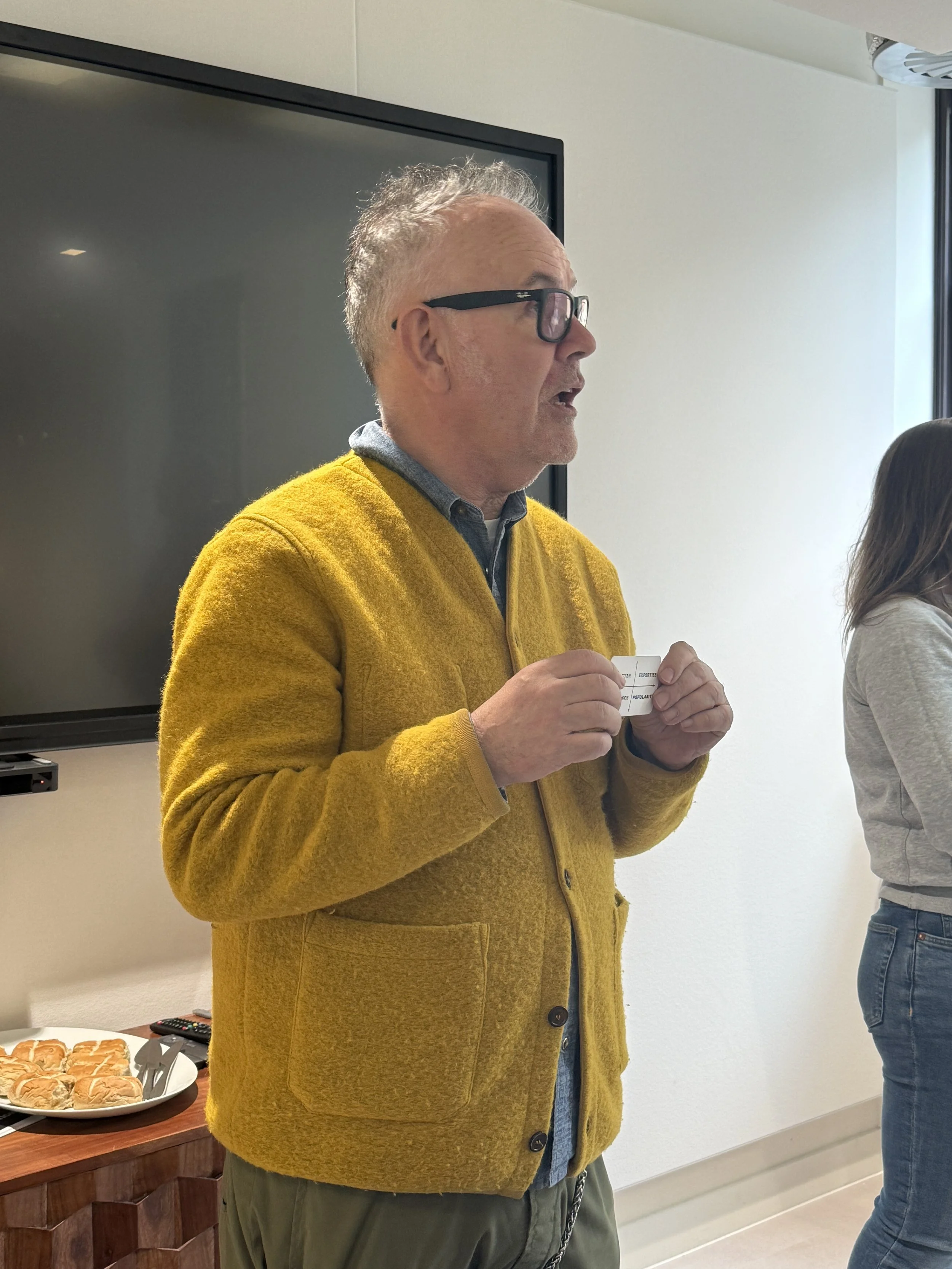
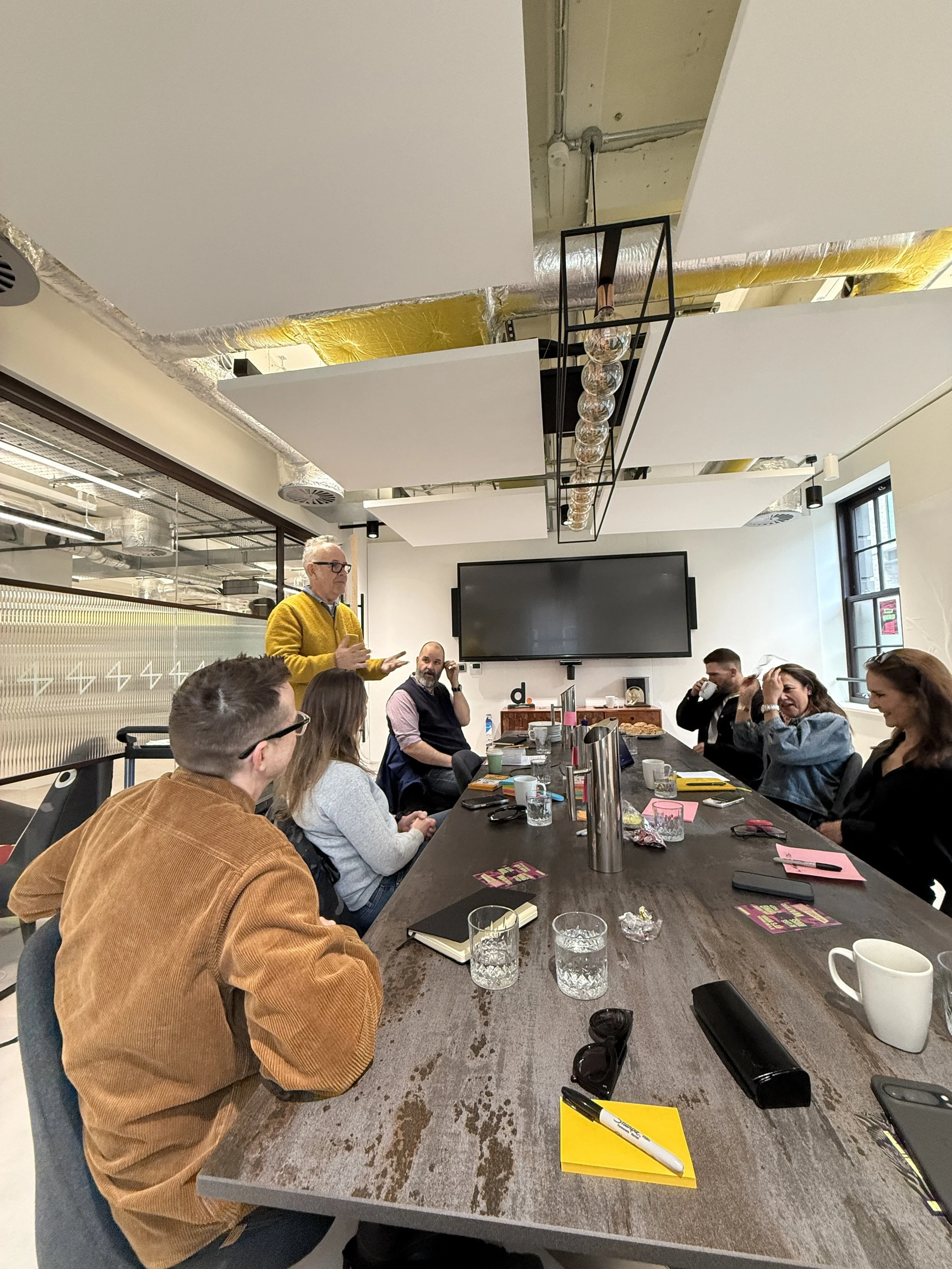
I spent time this week with Mark Earls and was reminded how often we start in the wrong place.
Most organisational problems are treated as if they need solutions. Quickly. Preferably something tangible.
But many of them aren’t solution problems. They’re behaviour problems.
People don’t change, adopt, or act the way we expect, and instead of interrogating that, we move straight to fixing it.
A Different Reflex
What struck me most wasn’t a framework or a tool, but a shift in reflex.
Instead of asking “what should we do?” the question becomes:
What kind of behaviour is this, really?
It’s a small change, but it forces you to pause. To look properly before acting.
And that’s where most of us fall short.
The Triage
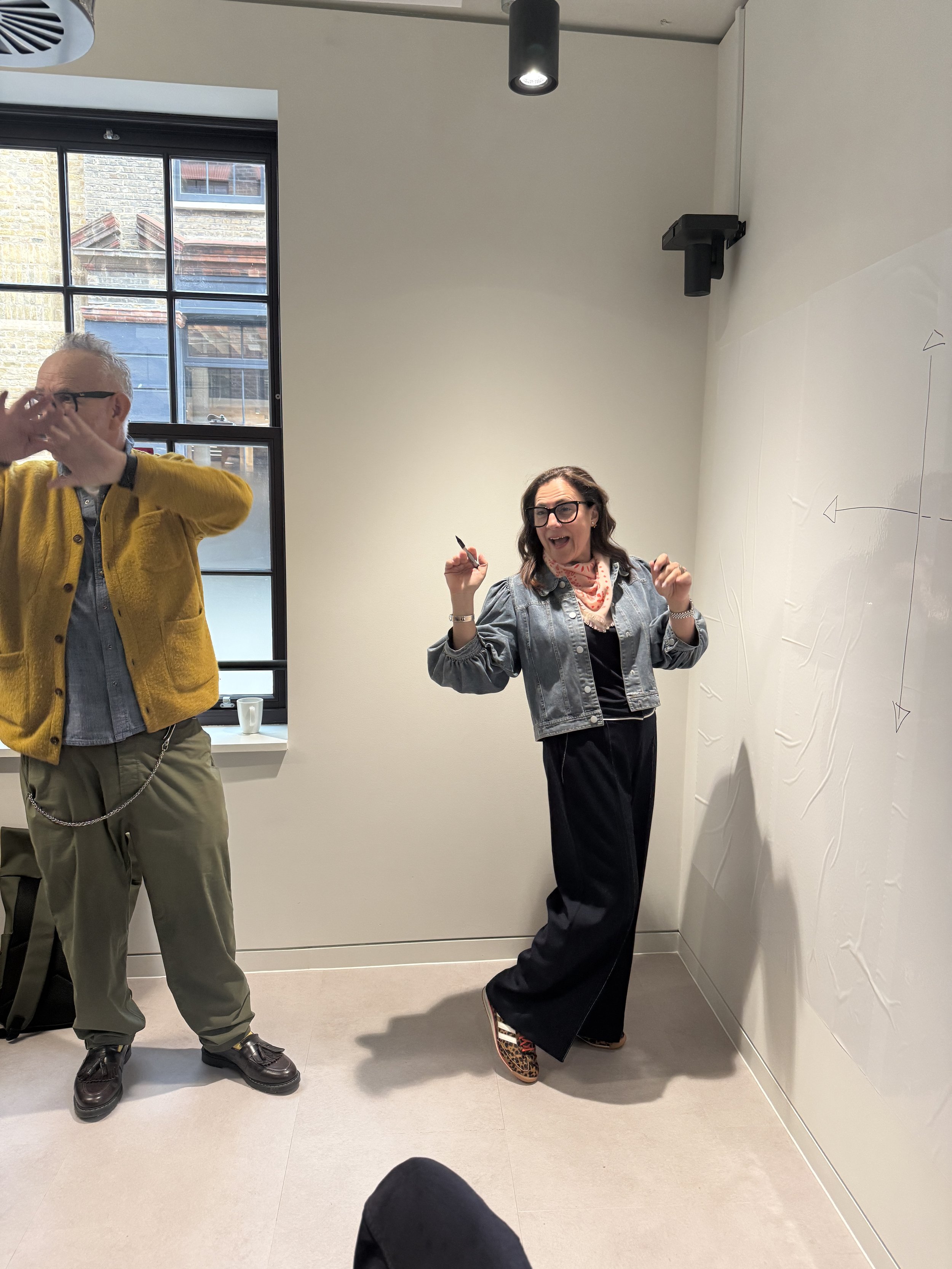
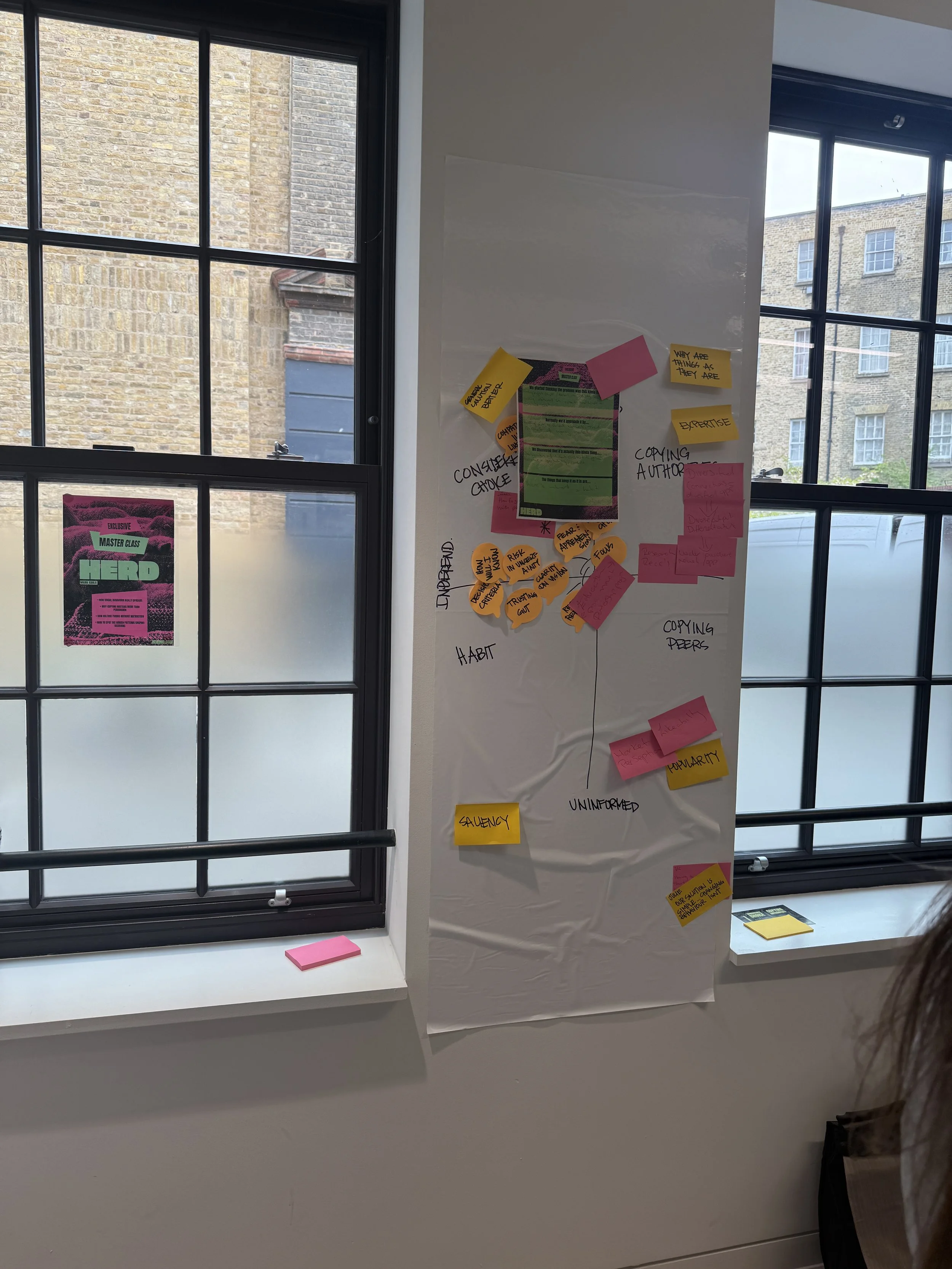
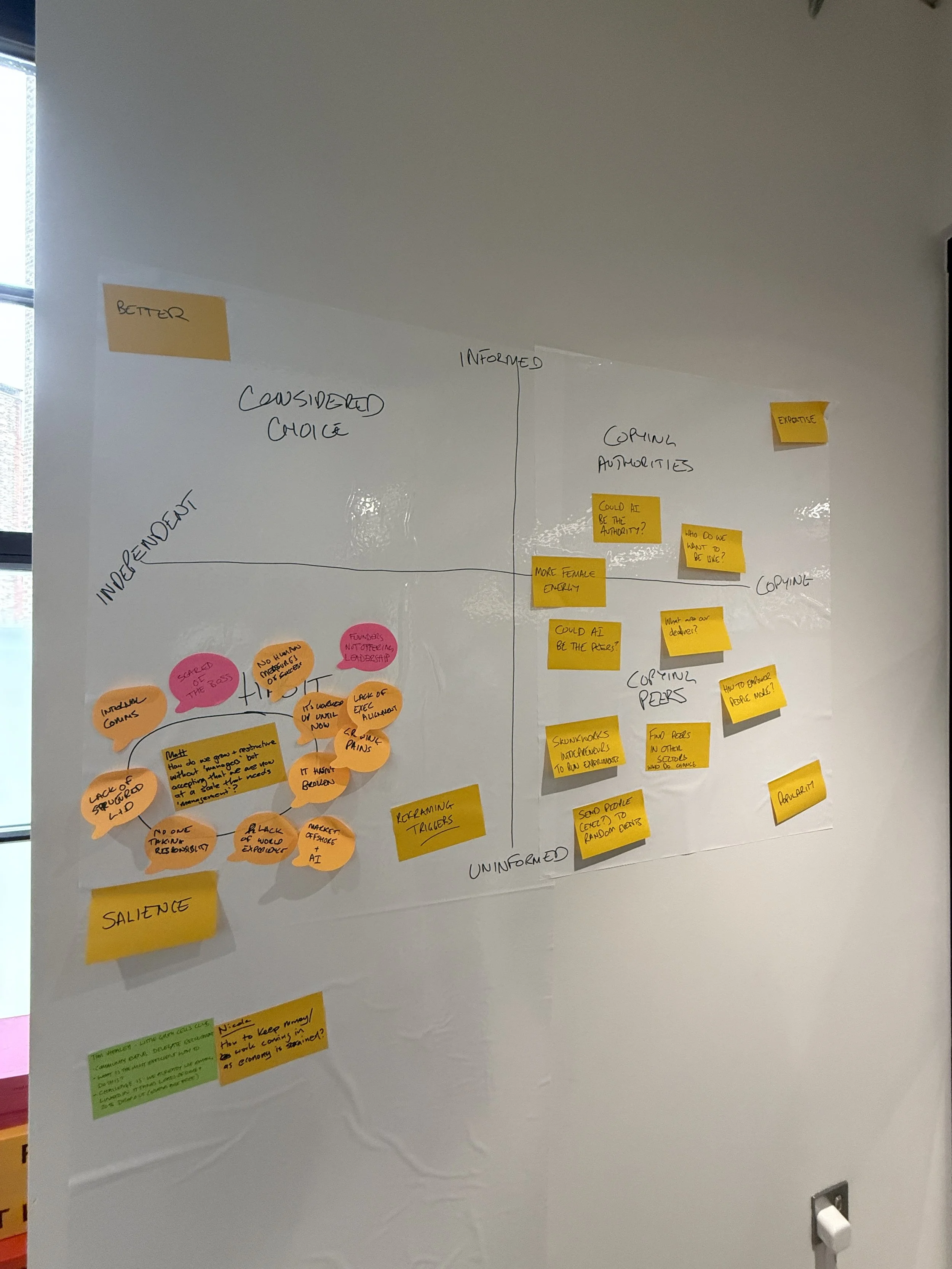
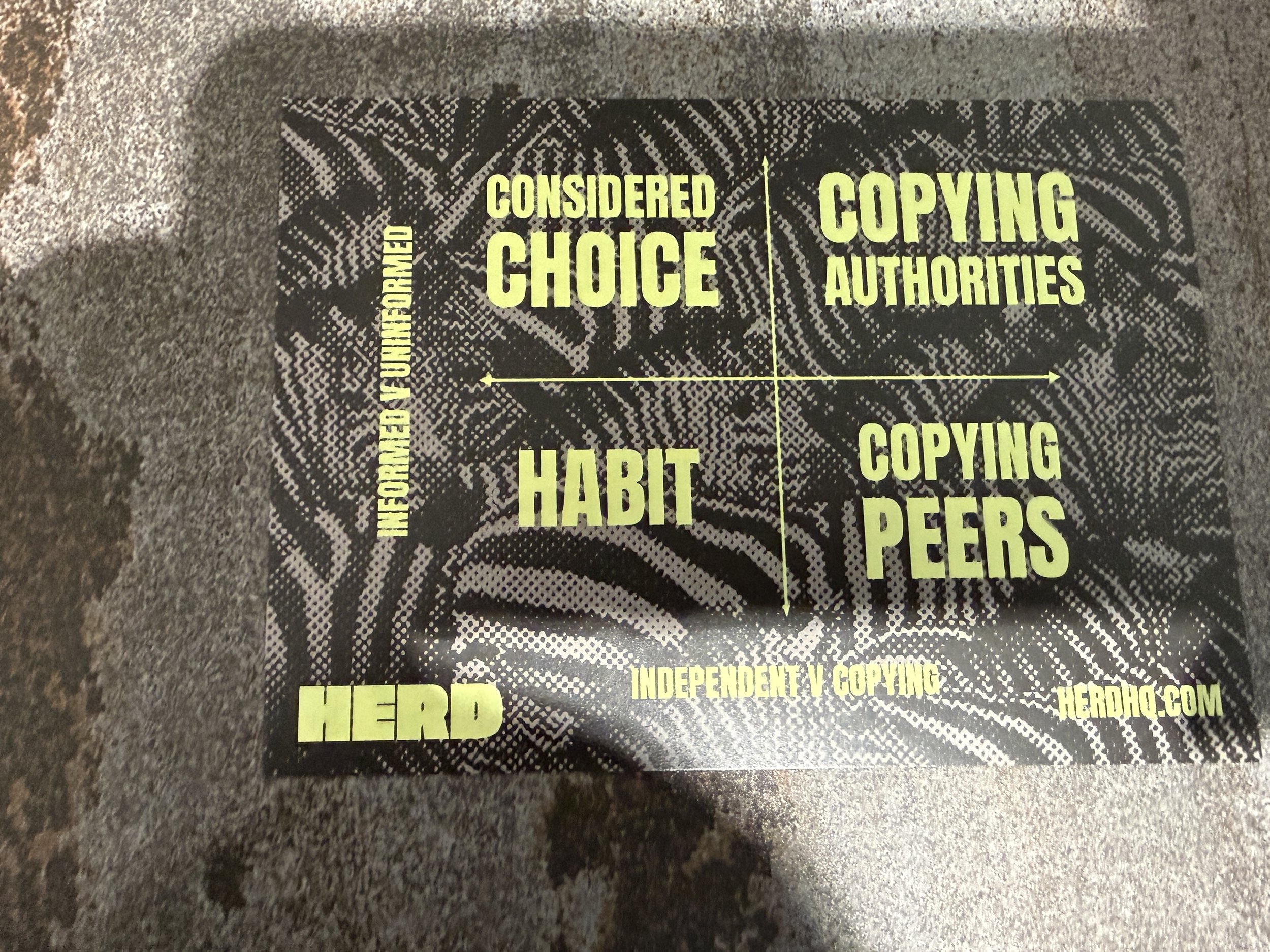
The HERD approach works a bit like triage. Not precise, but directionally right.
Is this something people are consciously deciding?
Or is it habit?
Or something shaped by others — peers, authority, context?
Get that wrong, and everything that follows is off. You end up solving for the wrong thing, in the wrong way.
Which, in hindsight, explains a lot.
Sitting With It
The uncomfortable part is the discipline.
Spending time with the problem. Not rushing to design a solution. Not trying to prove you’ve got the answer.
Just understanding what’s actually going on.
It sounds basic, but it runs counter to how most organisations operate, where speed is often valued more than accuracy.
Why It Sticks
What I took away wasn’t a new methodology.
It was a reminder that better thinking at the start saves a lot of wasted effort later.
A slightly slower, more deliberate approach.
A better question.
Fewer assumptions.
Not a dramatic shift. But a useful one.