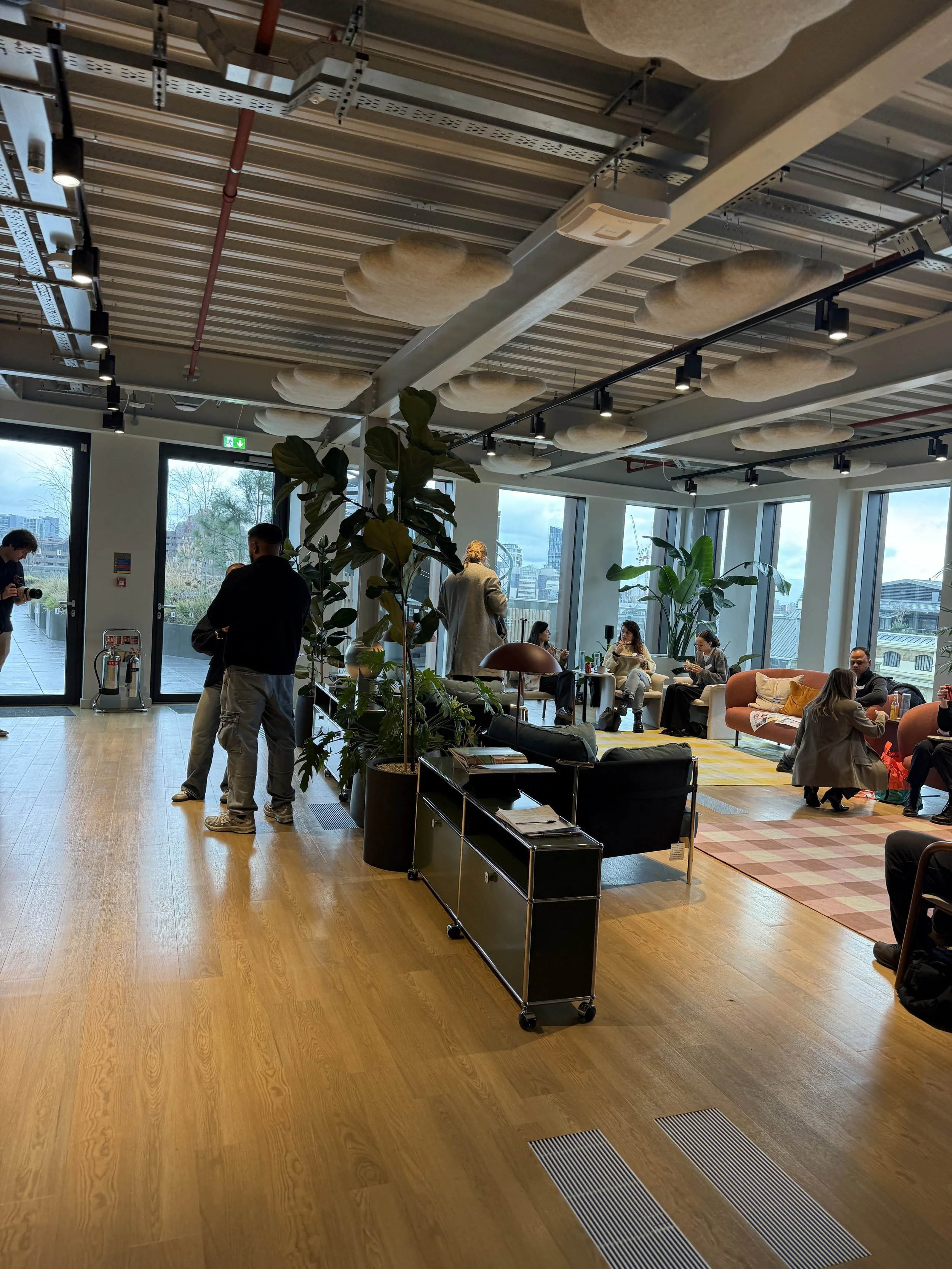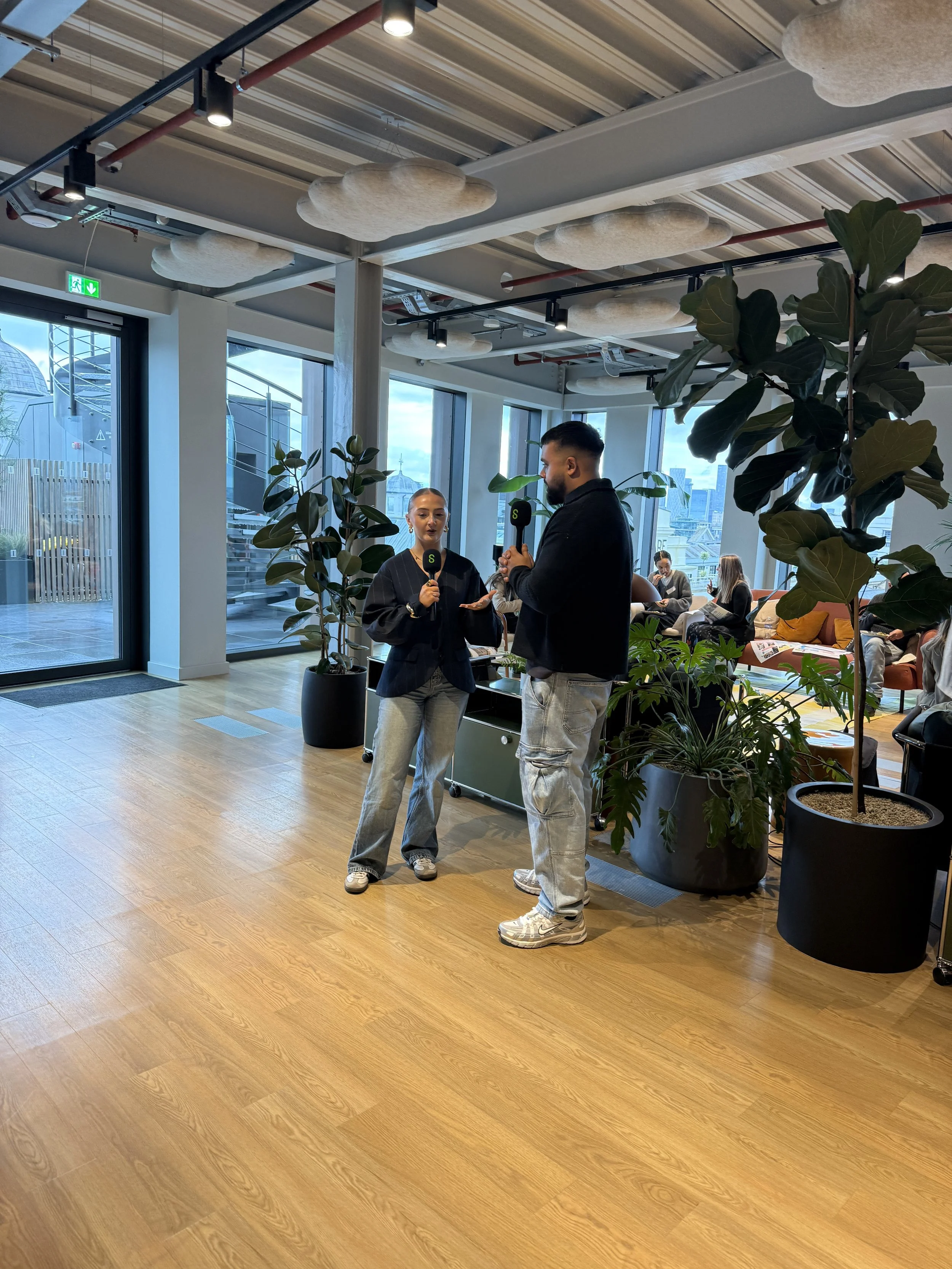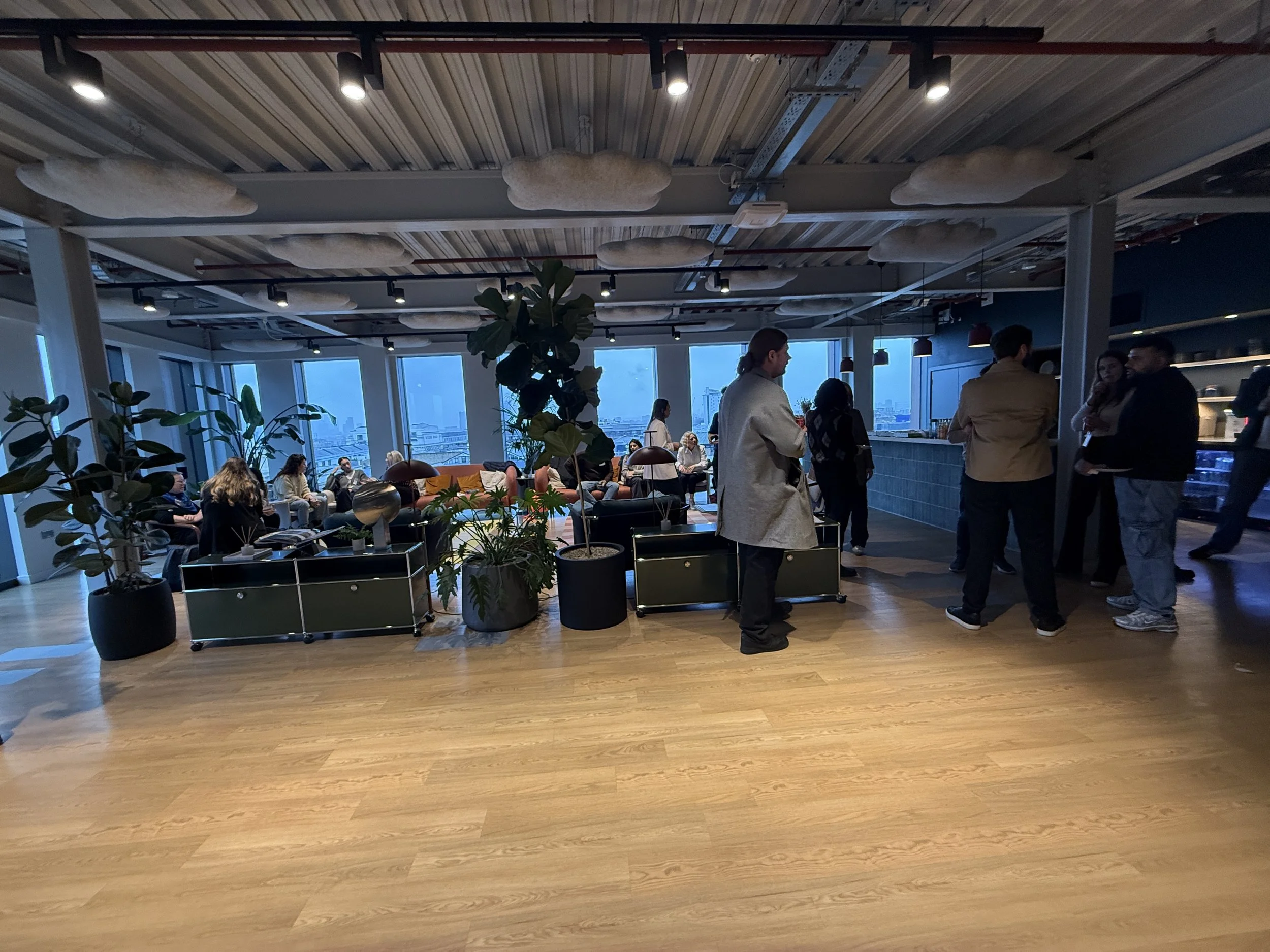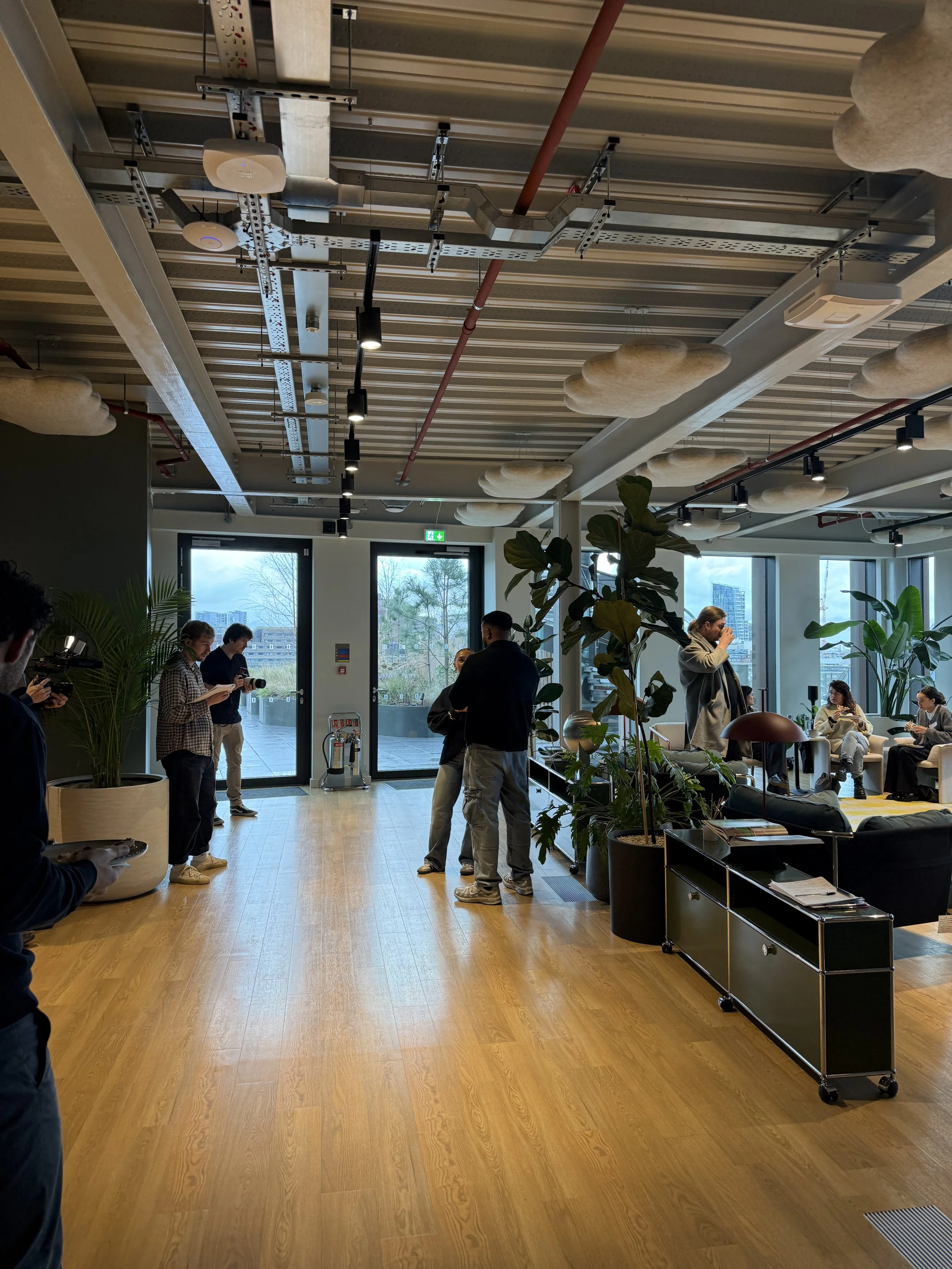
When Empathy Becomes Strategy: A Day with Sage and the SMEs Powering 97% of the UK
According to the 2025 UK Government Business Population Estimates, Small and Medium-sized Enterprises (SMEs) account for 99.85% of the total business population. They employ 60% of the private sector workforce — approximately 16.9 million people. SMEs are defined as businesses with 0–249 employees.
That is not a niche.
That is the backbone of the UK economy.
Sage didn’t host an event.
They hosted a statement.
A statement that the 97% of UK businesses that make up our workforce — the SMEs — matter. Not just as customers. Not as subscriptions. But as human beings navigating real pressure.
And pressure is real.
These are the founders who lie awake wondering if a late payment will affect payroll. The import/export business is moving olive oil across borders. The creative studio is chasing invoices. The AI training company is trying to stay ahead of the next wave. The photographer is building a business around the Vinted ecosystem. The security experts. The Sri Lankan and South Asian traders.
Different sectors. Same underlying anxiety: cash flow, certainty, loneliness, survival.
Why This Matters Now
I recently read an article in Entrepreneur arguing that entrepreneurship may be the cure to an unstable economy. I agree.
Entrepreneurs don’t collapse in chaos — they recalibrate in it.
They see opportunity where others see instability.
They create where others freeze.
They take calculated risks when imagination is required most.
SMEs are not fragile.
They are adaptive.
But adaptation doesn’t mean they don’t need support.
From Intrapreneur to Entrepreneur
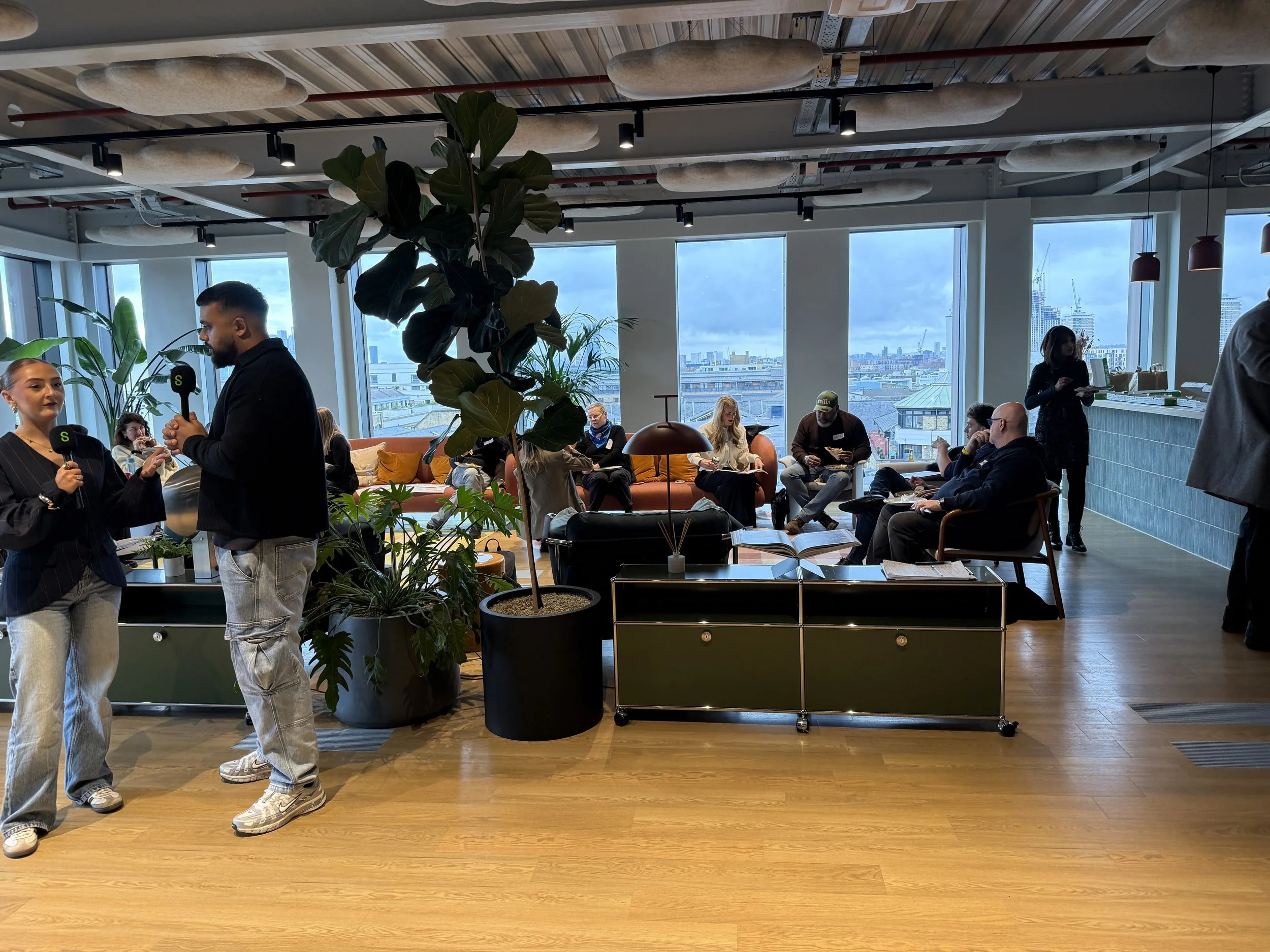
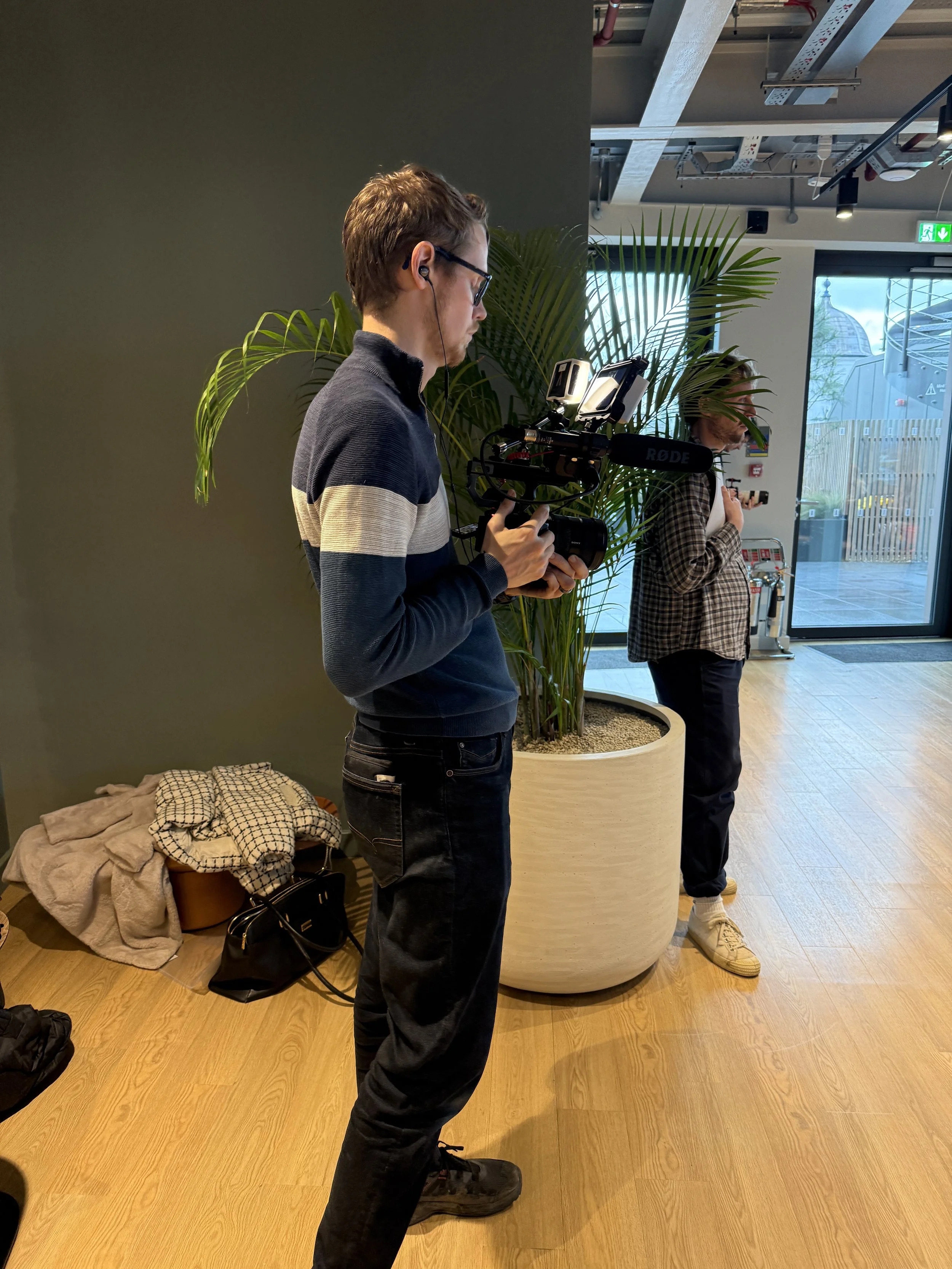
I had 45 minutes to be grilled by the wonderful Sarah, Sean and a bunch of highly creative and entrepreneurial people, openly and honestly about my journey:
As an intrapreneur inside Ogilvy & Mather, building Ogilvy Labs and “bringing organisations kicking and screaming into the 21st century.”
And now as an entrepreneur running The NY Collective.
I spoke about:
Late payments.
Reinvention.
Building systems without losing spark.
The messy middle.
Turning disruption into advantage.
Innovation
How to stay motivated
Self Esteem
Testing and Learning
No polish. No theatre. Just truth.
Because SMEs don’t need motivational slogans.
They need reality with solutions attached.
Sage’s Brand Values in Action
What struck me most wasn’t the stage setup. It was the intent.
Through initiatives like “Customers for Life,” Sage is actively trying to move beyond transactional relationships and into partnership.
Not:
“Here’s your software.”
But:
“How are you actually coping?”
Not:
“Have you upgraded?”
But:
“What’s keeping you awake?”
That is empathy as strategy.
Wrapping arms around customers isn’t a marketing line. It’s listening. It’s proactive support. It’s recognising that software alone doesn’t solve stress — but partnership can reduce it.
For businesses worried about payroll because an invoice hasn’t landed, tools matter. But so does knowing someone understands the emotional toll of entrepreneurship.
Why Entrepreneurs Do Well in Chaos
Here’s the truth.
Entrepreneurs thrive in uncertainty because they:
Spot opportunities quickly.
Think creatively where others see barriers.
Take calculated risks.
Lead when imagination is required most.
They don’t deny chaos.
They navigate it.
The SMEs in that room are proof of that.
Olive oil importers navigating trade complexities.
AI trainers riding technological shifts.
Photographers are building niche economies around resale platforms.
They aren’t waiting for stability.
They’re building on instability.
The Real Takeaway
Entrepreneurship may well be one of the strongest stabilising forces in an unstable economy.
But entrepreneurs cannot — and should not — do it alone.
When a company like Sage chooses to invest in inspiring days, open conversations and practical support, it signals something powerful:
Empathy is not soft.
It is strategic.
SMEs power this country.
If 97% of the workforce depends on them, then supporting them is not optional — it’s essential.
I was honoured to speak candidly about my scars and successes.
If even one founder left that room feeling less alone, more equipped, or more confident to turn disruption into advantage — then the day did exactly what it set out to do.
And that’s a brand value worth living.